The innovations showcased at CES 2026 reinforce a definitive industry shift toward "Invisible Tech," representing solutions that balance high level technical complexity with seamless, human centric experiences.
By:
Saloni Bedi
January 9, 2026
After walking the floor at CES 2026 this week, one thing is clear: the era of flashy gadgets that demand all your attention is fading. In its place, we are seeing the rise of what we would call "Invisible Tech." These are solutions that hide their technical complexity behind a seamless experience, focusing on making life easier rather than making things more complicated.
The big theme this year is Integrated Intelligence. We are moving away from needy tech that requires constant input and toward quiet systems that actually anticipate what we need. From AI-driven mobility to medical-grade appliances in the home, the most impressive work on display focused on removing friction from the human experience.
For a long time, the tech world was obsessed with novelty for its own sake. Now, we are finally seeing a turn toward purposeful innovation. The industry is starting to tackle real-world challenges in sustainability, personal health, and urban mobility with a level of maturity that sets a new gold standard for global product development. For us, these breakthroughs prove that the future of design belongs to those who can bridge the gap between advanced hardware and genuine user empathy.
We have officially entered the "AI OS" era. Traditional screens are taking a backseat to voice and haptic interfaces that feel more like a natural conversation than data entry.
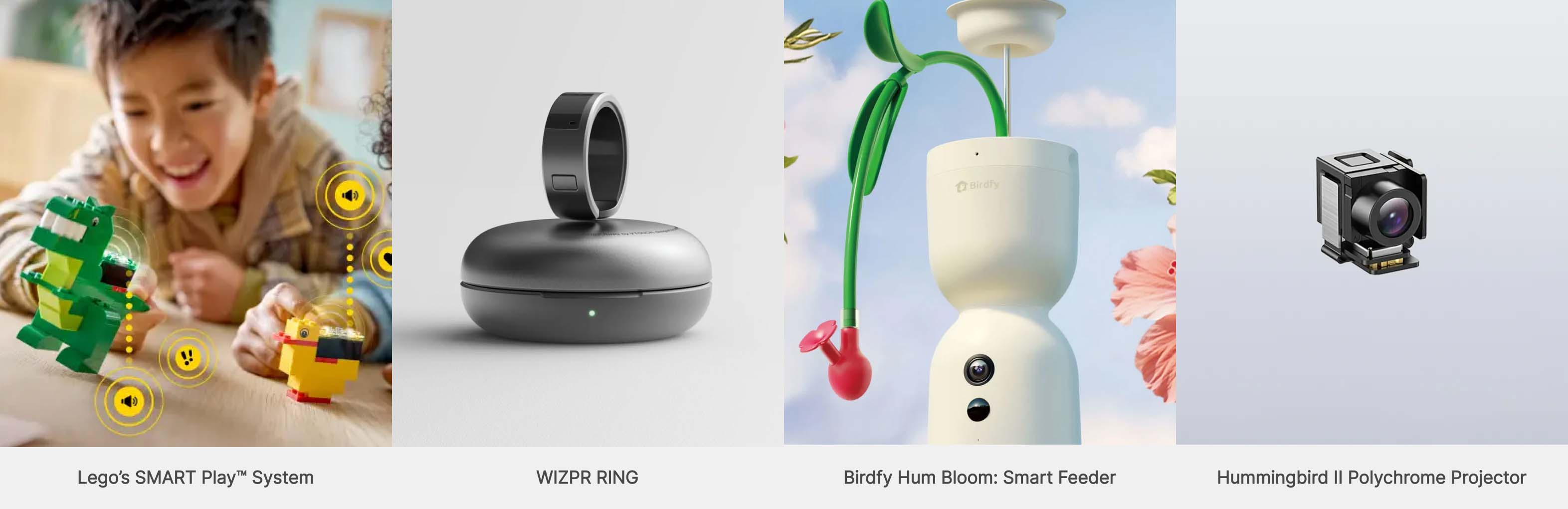
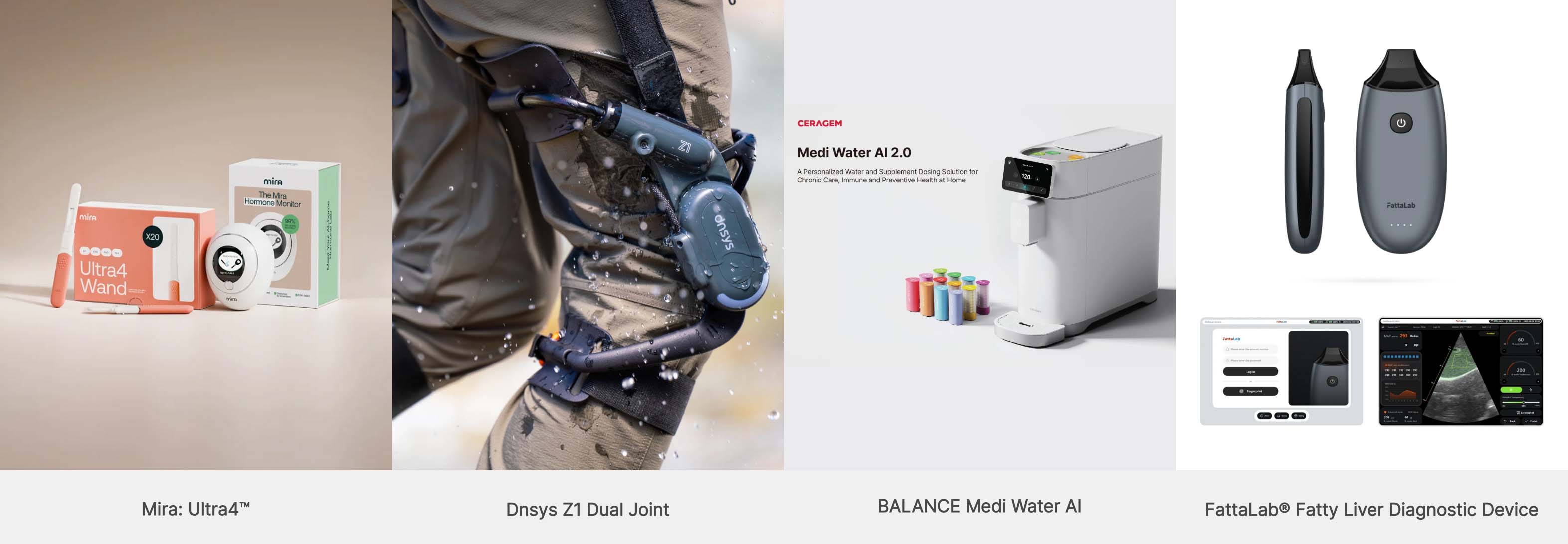
Health technology is no longer just about basic step-counting. We are seeing a massive shift toward clinical-grade diagnostics that fit right into a person’s daily routine.
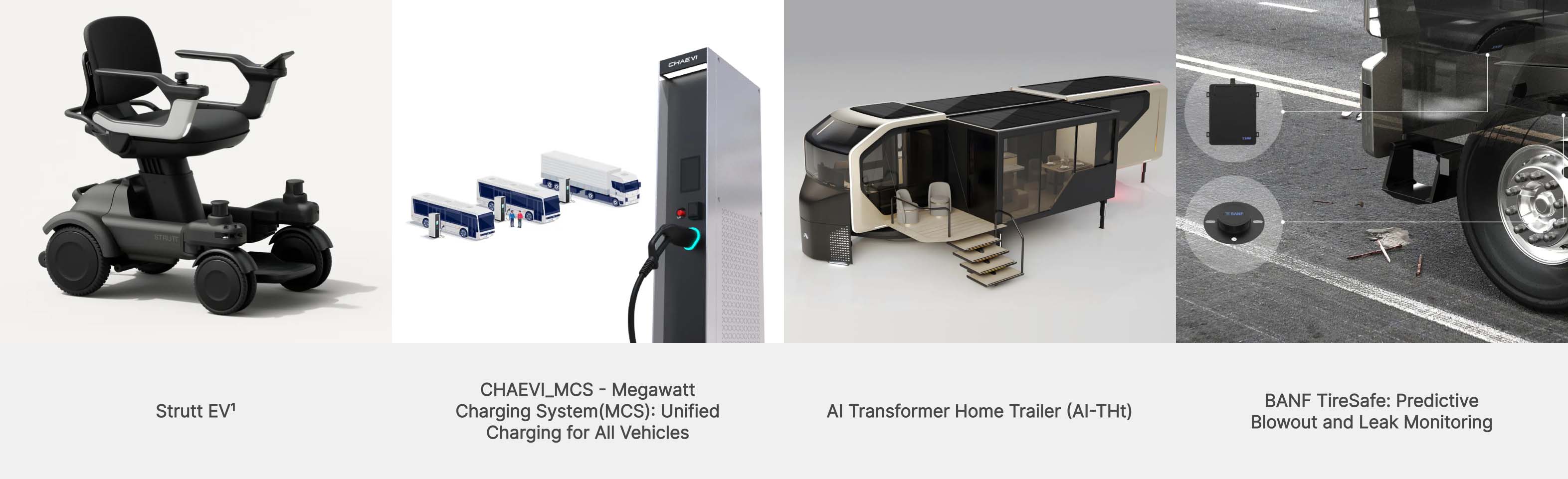
The conversation around mobility has expanded beyond cars and into the realm of infrastructure and individual autonomy.
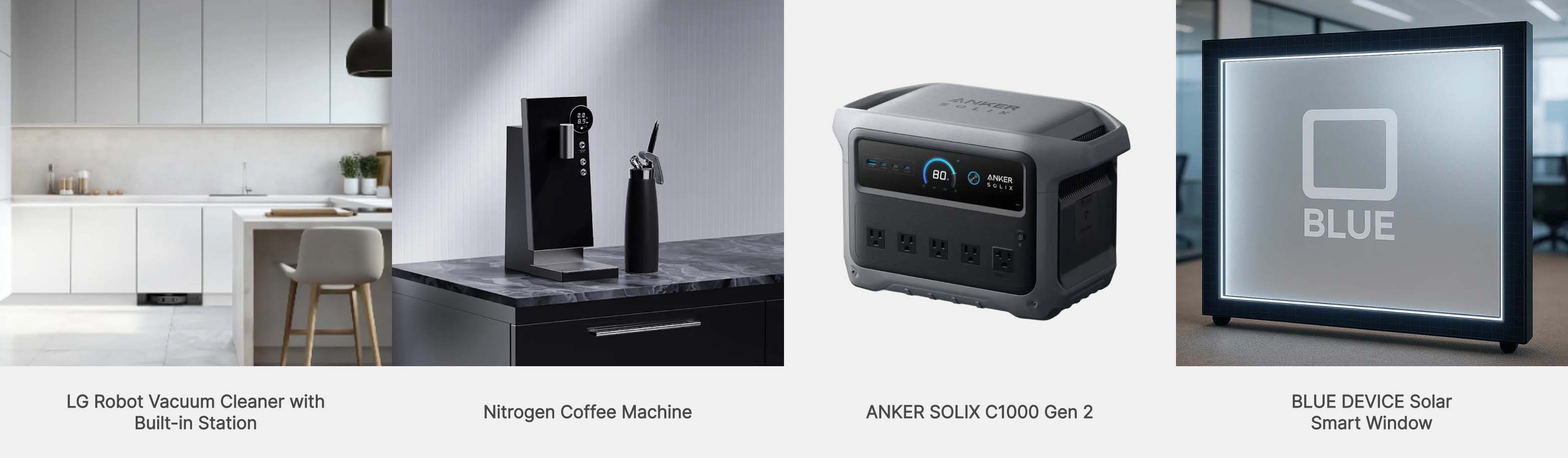
The 2026 home is defined by resource efficiency and the clever elimination of traditional consumables.
Returning from Las Vegas, the takeaway is simple. The designs that will win in the long run are the ones that captivate the eye while fundamentally enhancing the way we move, heal, and live. Loft remains committed to exploring these new frontiers, ensuring that every project we touch helps make the future of its industry better.
In her research and design work, Saloni believes that products aren't discarded because they have no value; rather, they're replaced because they fail to keep up with people and their needs. This realization has led her to focus on developing products and experiences that evolve with the user while remaining empathetic to how they can improve lives. As an industrial designer, Saloni is passionate about bringing together design, engineering, and business to tackle pressing challenges around us. She has worked in a variety of fields, including social innovation, healthcare, sustainable product development, and consumer products.
Prior to Loft, Saloni got her master’s degree at MIT where she saw how the design process can be a key component to bring state-of-the-art solutions can to life. Her work at MIT ranged from conducting user research in zero gravity to make space more inclusive at the Media Lab, developing accessible pregnancy tests for people with vision impairments, and measuring the body's hydration levels at the Gray lab, IMES.

Previous
Next

Innovation
Leadership



.png)


