Design is now a critical driver of business innovation, moving beyond aesthetics to shape product, service, and experience function. By applying human-centered principles strategically, companies can find new opportunities, differentiate offerings, and create value for both customers and the business.
By:
Gregor Mittersinker
November 24, 2025
As businesses adapt to new economic realities, it’s clear that the role of design has shifted from a secondary consideration to a central pillar of business success. The economic belt-tightening many companies have faced in recent years is prompting a reevaluation of how design integrates into broader business strategies. Now, more than ever, design is an integral part of the value proposition, driving human-centered technology transformations that are redefining industries. As AI continues to mature, the intersection of design and technology is more dynamic than ever, shaping the future of consumer products and experiences.
Many brands that once viewed design as an afterthought are now leveraging it as a key differentiator in a competitive marketplace.
Reflecting on 2025, design has emerged as a foundational component of business success, influencing everything from product development to customer experience strategies. This year, the role of design has expanded beyond aesthetics, becoming an essential part of organizational strategy. Many brands that once viewed design as an afterthought are now leveraging it as a key differentiator in a competitive marketplace.
One of the most significant shifts in design leadership is the integration of artificial intelligence (AI) and other emerging technologies. These tools enable brands to create more personalized, responsive, and intuitive products, enhancing both the user experience and business outcomes. AI accelerates parts of the design process and acts as a creativity booster for resource-strapped design teams. As it continues to mature, AI’s ability to anticipate consumer needs, streamline workflows, and support smarter product development is transforming the way design is approached.
For designers, XR is opening up new avenues for creativity, allowing for richer, more engaging experiences that blend the digital and physical worlds.
As technology continues to mature, we are seeing the emergence of new tools and platforms that further enhance the consumer experience. Extended Reality (XR) is transforming the way consumers interact with products, allowing them to engage with digital environments in more immersive and interactive ways. Augmented reality (AR) is playing a key role in enhancing the customer experience. In 2025, many apps allow consumers to visualize products in their own space before purchasing, whether it’s seeing how a piece of furniture will look in a living room or trying on clothes virtually. This integration of digital and physical experiences is driving more informed purchasing decisions and reducing the friction in the buying process. XR technology is enabling more interactive and immersive experiences, particularly in sectors like gaming, entertainment, and even architecture. Consumers can now explore virtual spaces, try out products, or experience digital content in ways that were previously unimaginable. For designers, XR is opening up new avenues for creativity, allowing for richer, more engaging experiences that blend the digital and physical worlds.
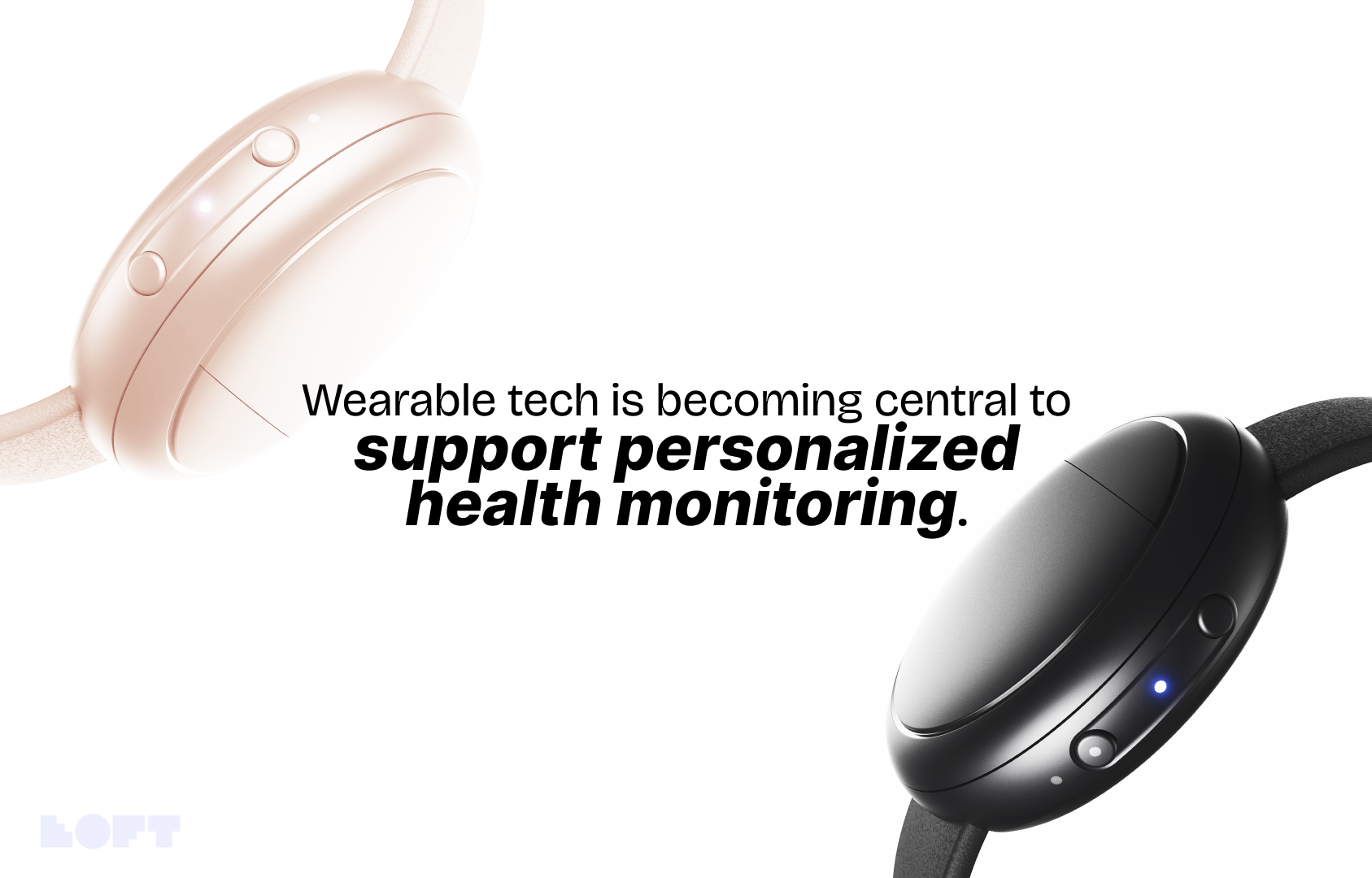
Wearables have become one of the most rapidly growing sectors in consumer technology, driven by advancements in health monitoring and data analytics. Data empowers users to optimize their well-being in real-time, with the device offering personalized insights into recovery, stress levels, and overall health. As the demand for wearables grows, smart wearables expand their capabilities beyond traditional fitness tracking to meet a broader spectrum of healthcare needs. Wearables, such as the Oura smart ring, are increasingly becoming central to specialized app ecosystems that support personalized health monitoring. These devices are evolving from consumer gadgets into comprehensive tools for managing both preventive and chronic health conditions. By integrating with these platforms, Oura is positioning itself at the forefront of the convergence between consumer health technology and medical-grade wearables, unlocking new opportunities for personalized care and proactive health management.
Designers are taking a more holistic view, considering the broader healthcare ecosystem and how patients, caregivers, and providers interact with each other and the technology.
The healthcare industry has seen rapid transformation thanks to AI and data analytics, which have significantly improved patient care and outcomes. AI-driven design solutions are enabling more personalized medical treatments, improving diagnostic accuracy, and streamlining patient workflows. AI algorithms are now being used to analyze patient data and suggest customized treatment plans. This personalized approach is improving the efficacy of medical devices and ensuring that healthcare solutions meet the real needs of patients and providers alike. Designers are taking a more holistic view, not just focusing on the patient interface but also considering the broader healthcare ecosystem and how patients, caregivers, and providers interact with each other and the technology. By designing with these interconnected relationships in mind, designers are creating solutions that not only meet immediate medical needs but also improve the overall healthcare experience.
As technology evolves, inclusivity in design has become increasingly essential. Consumers now expect products that are accessible, culturally relevant, and responsive to diverse needs, pushing brands to rethink product development for a broader and more varied user base.
Inclusive Design: Today’s global population is diverse in abilities, backgrounds, and preferences. Inclusive design removes barriers, ensuring everyone, from people with disabilities to those with different cultural or physical needs, can engage with products meaningfully. In digital products, this may include features like screen readers, voice controls, or customizable interfaces, while physical products might incorporate ergonomic designs, adjustable components, or universally recognizable symbols.
Hyper-Personalization: Inclusive design is increasingly paired with hyper-personalization, leveraging AI and data to tailor products and experiences to individual users. Apps can adapt interfaces, content, or notifications based on behavior, while physical products can offer modular or adjustable features aligned with personal habits. This ensures experiences are not only accessible but also uniquely relevant and empowering.
By integrating inclusivity with hyper-personalization, brands are setting a new standard in design creating thoughtful, user-centered products that celebrate diversity while meeting individual needs in meaningful ways.
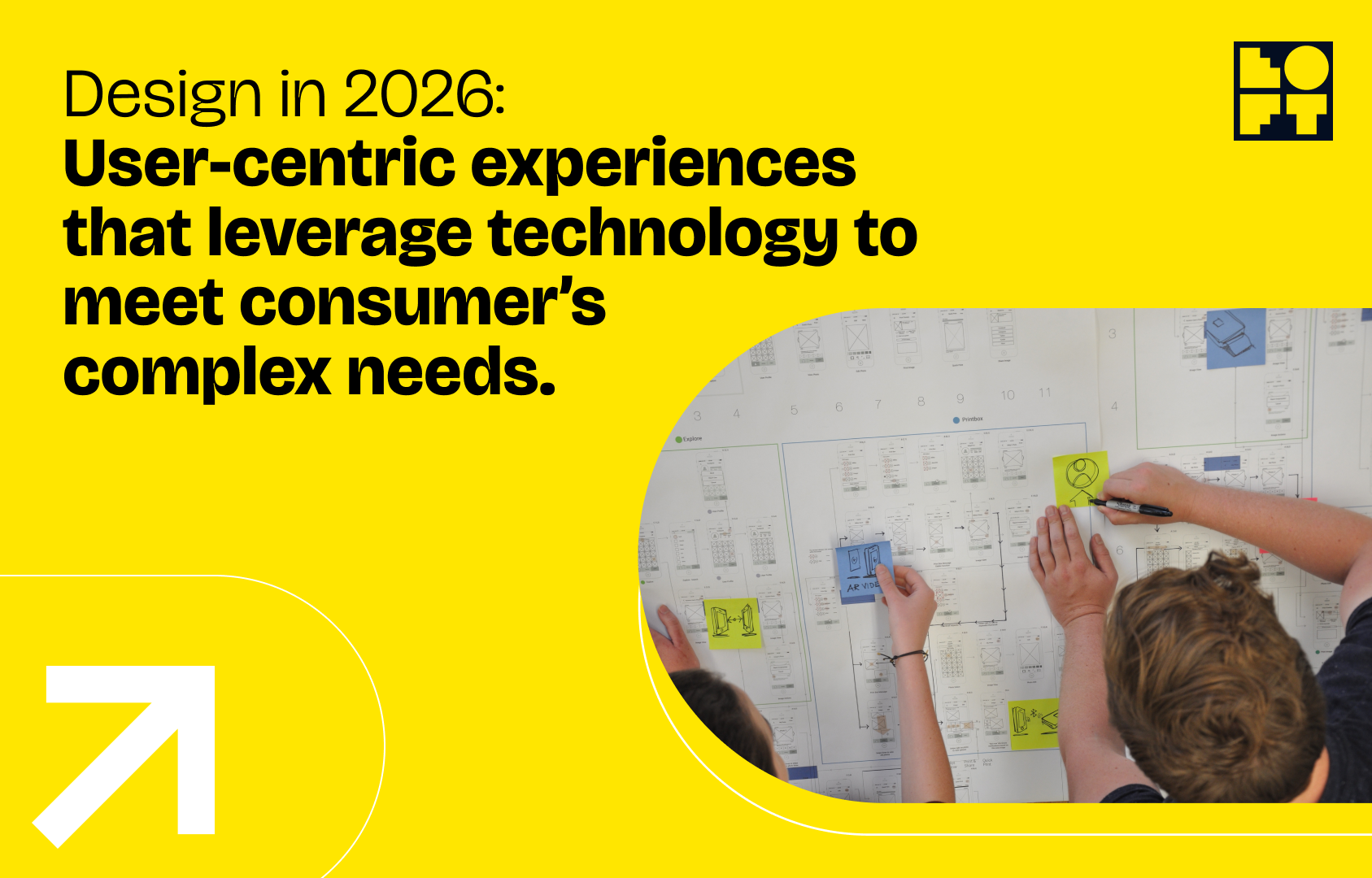
As we move through 2026, the relationship between design, technology, and business strategy continues to evolve. Design is no longer just about creating visually appealing products; it’s about crafting user-centric experiences that leverage technology to meet the complex needs of today’s consumer. With the continued rise of wearables, consumer and healthtech, AI, IoT, and other emerging technologies, design is becoming a key enabler of business innovation, helping companies create smarter, more personalized, and relevant product innovations.
In this new era, design is at the intersection of creativity, technology, and human-centered problem-solving. As businesses continue to adapt to changing market demands and consumer expectations, design will remain a central force in driving both innovation and long-term success.
Austrian-born Gregor is in his element while dissecting most complex business & technology challenges and creating their next level business outcomes. Prior to starting Loft, Gregor led a Strategy & Design team at Accenture Interactive, where he helped launch new multi-billion dollar businesses for global fortune 500 companies. He also led creative teams at Rollerblade, InMusic & Cross.He has worked in the US, Europe & Asia over the past 30 years has earned numerous design awards as well as holds well over 100 patents for product innovations around the globe.
Outside of business hours he teaches Service Design & UX at RISD, and hosts a weekly think tank with global business & political leaders around the world.
A natural motivator, leader, collaborator, and innovator, the only thing that takes Gregor’s eyes off of design for long is his love for winter sports, kitesurfing and DJing in local clubs. Many have tried to keep up with Gregor, few have succeeded.
Next level inspiration … Japanese wood craft and joinery, minimalist forms that are functional and proportioned.

Previous
Next

Leadership


.png)


