The 2026 National Restaurant Association Show brought the food service industry’s biggest names and most innovative brands to Chicago for a look at what’s next in equipment, technology, and design. From AI moving out of the pilot stage to kitchen tools built for a faster, more flexible service model, here’s what stood out from the floor.
By:
Sherry Eckholm
June 26, 2026
The National Restaurant Association Show returned to Chicago’s McCormick Place this May, bringing together more than 55,000 professionals and 2,300 exhibitors for a defining gathering for the food service, restaurant, and hospitality industries. Spanning over 900 product categories, the Show once again offered a sweeping look at the equipment, technologies, and ingredients shaping where dining is headed next. Below, we break down the recurring themes that defined the 2026 Convention, along with a few standout products that reflected the themes in cutting-edge innovation and practical solutions.
A recurrent theme across exhibitors and operators alike was that the strongest tech on the floor wasn’t necessarily the flashiest. In fact, it was the tech designed to fade into the background so staff could focus on real people. Several operators echoed a similar sentiment that automation should handle the repetitive tasks so teams can spend more time on being hospitable. With the labor pipeline continuing to shrink (16- to 19-year-olds now make up just 37% of the U.S. workforce, down from 53% in 1994), retention has become a competitive differentiator, and equipment that reduces grunt work is increasingly framed as a tool for the team rather than a replacement for it.
If past shows were about experimenting with artificial intelligence as a precocious curiosity, the conversation in Chicago in 2026 shifted to being about figuring out which tools earn a permanent place in the operation. For years, tech companies pitched AI as a buzzword in the restaurant industry. While it has remained the dominant theme, the framing around it has matured considerably, leaning further away from flashy demos and closer to actual implementation, responsible governance, and measurable business outcomes, all set against a backdrop of labor shortages, rising costs, and increasingly selective consumers.
AI is showing up in ordering, scheduling, marketing, inventory, and guest analytics, and operators are starting to feel the overload that comes with so many tools promising to do roughly the same thing. The greatest success on the floor came from the tools solving narrow, well-defined problems.
Every year at the National Restaurant Association Show, companies from around the world showcase innovations that will reach the market in the coming months. 2026 was no exception.
There were plenty of impressive, cutting-edge solutions that caught Loft’s attention, as well as that of the more than 55,000 professionals and buyers that gathered at McCormick Place. Curated from a floor of thousands, below are the products and services that stood out for how directly they address what operators and business owners are up against, from labor and cost pressures to the growing demand for flexible, multi-channel service.
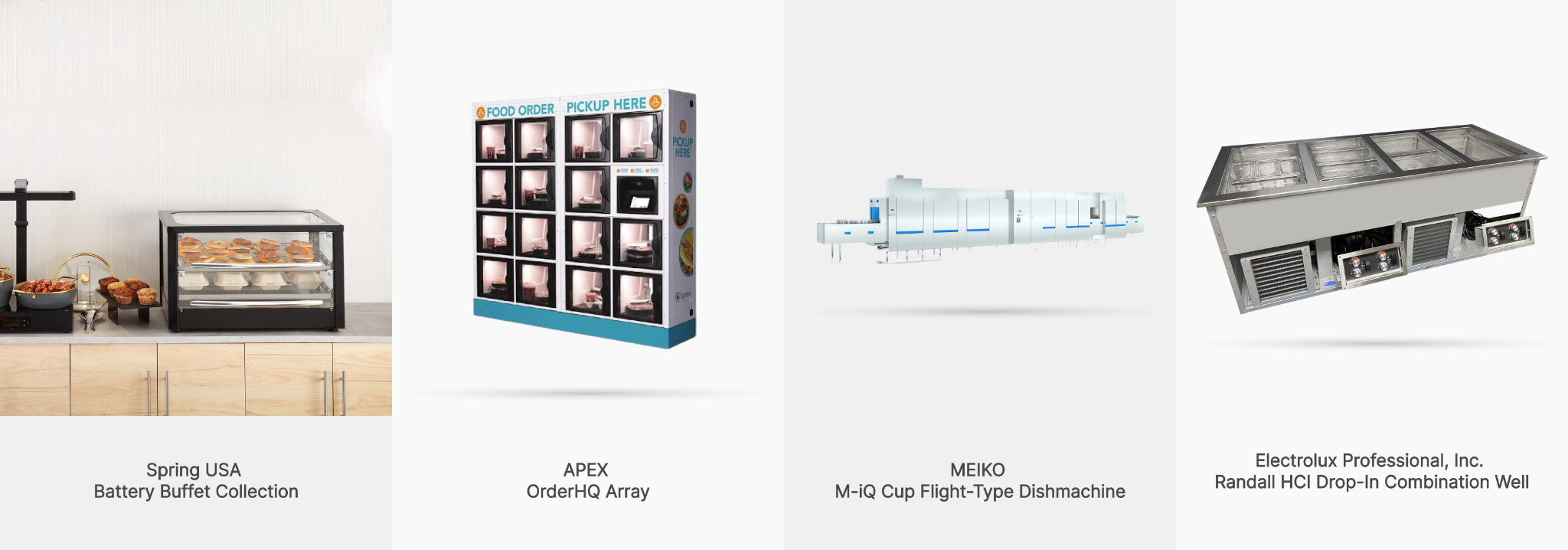
A growing category of equipment is being designed to work without a fixed outlet, water line, or gas hookup, so it can be moved wherever service happens.
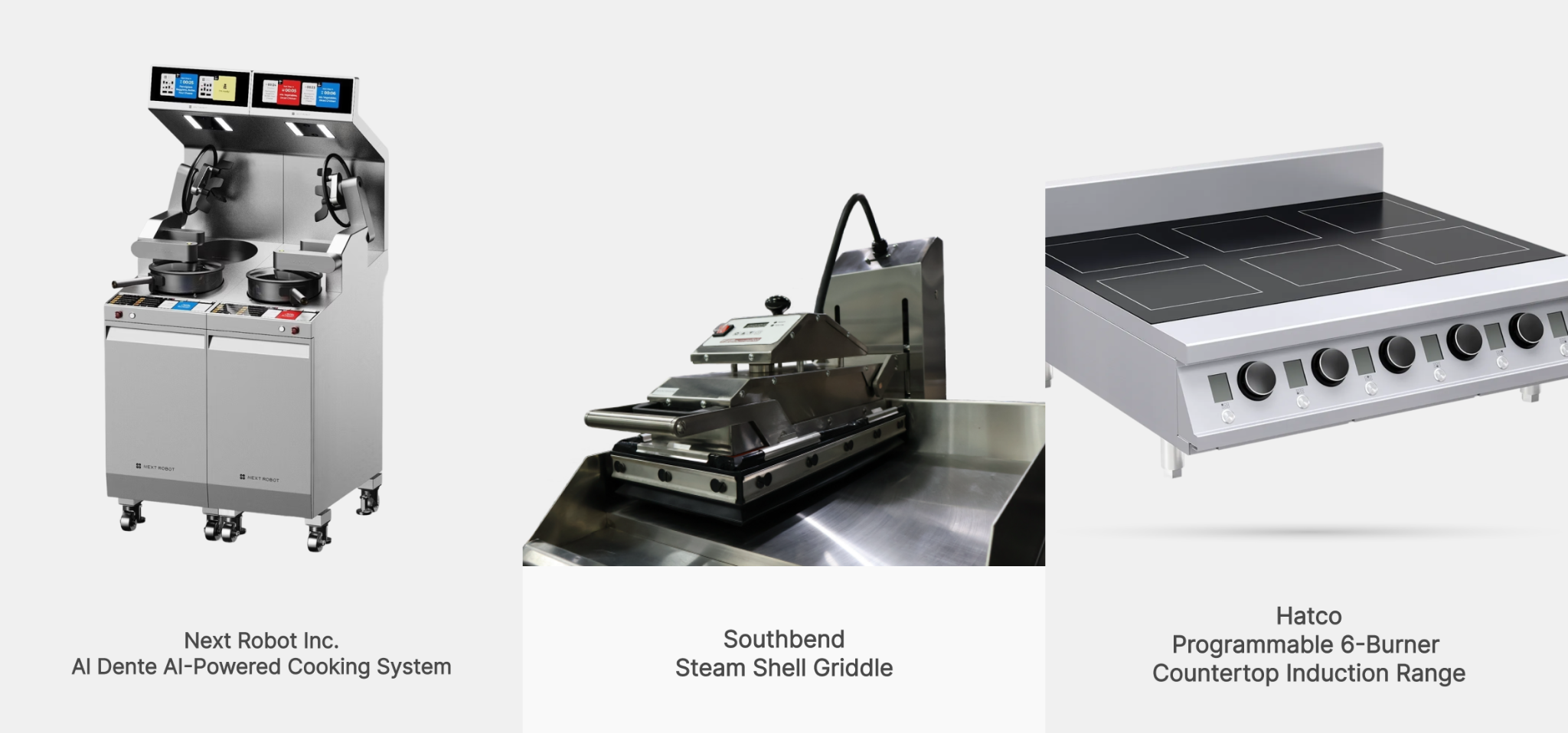
The biggest shift in kitchen equipment this year was toward systems that take variability out of the cooking process entirely, handling precision work to sensors and adaptive controls instead of relying on staff training.
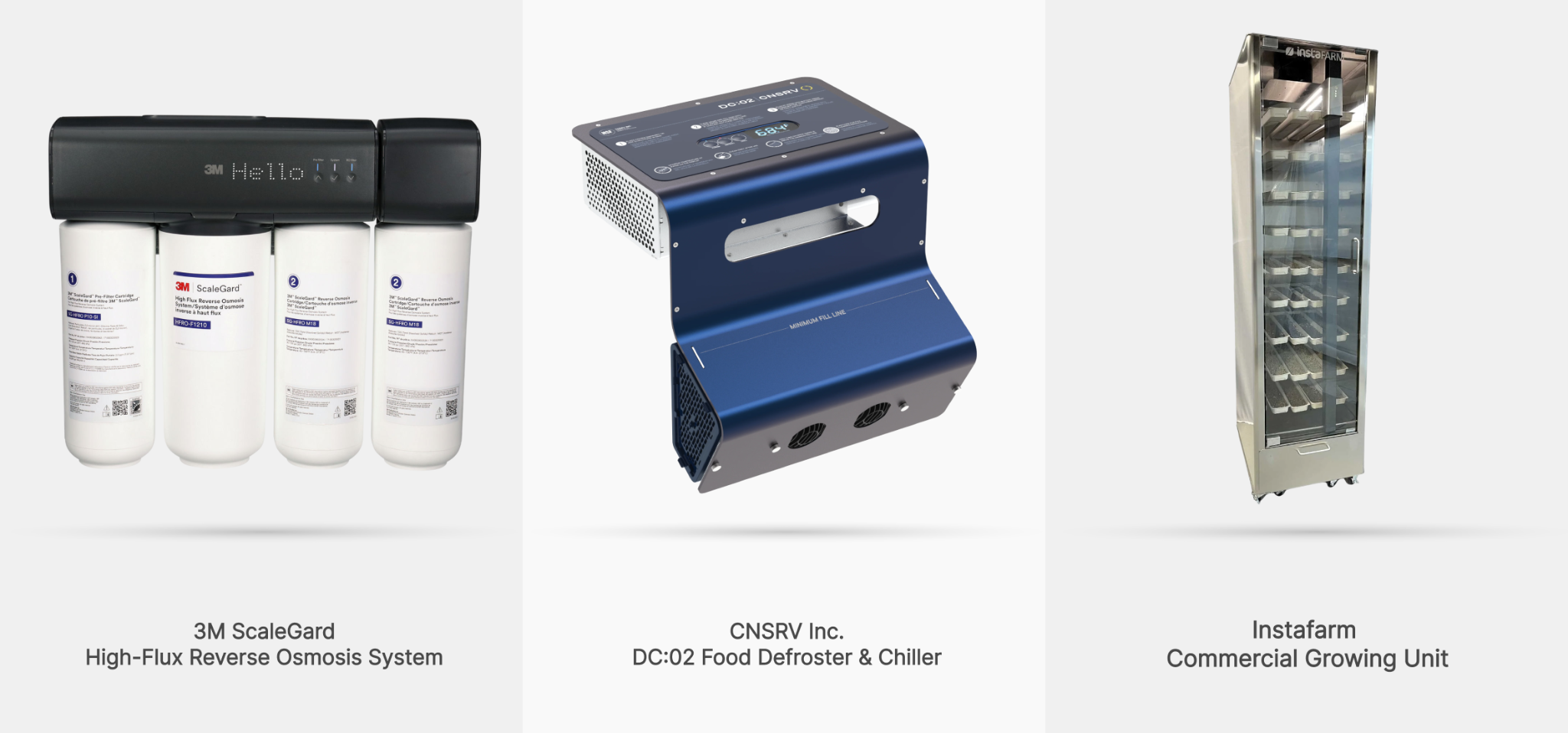
Across the floor, sustainability-focused equipment was less about messaging and more about giving operators clearer visibility into how to strengthen financial performance while maintaining quality, whether through water, energy, or food waste.
The most striking AI innovation at the Show wasn’t on a screen, it was in your ear. Voice ordering hardware and agents have been moving from novelty demos to standard kiosk setups, often attached onto existing hardware rather than requiring a full replacement.
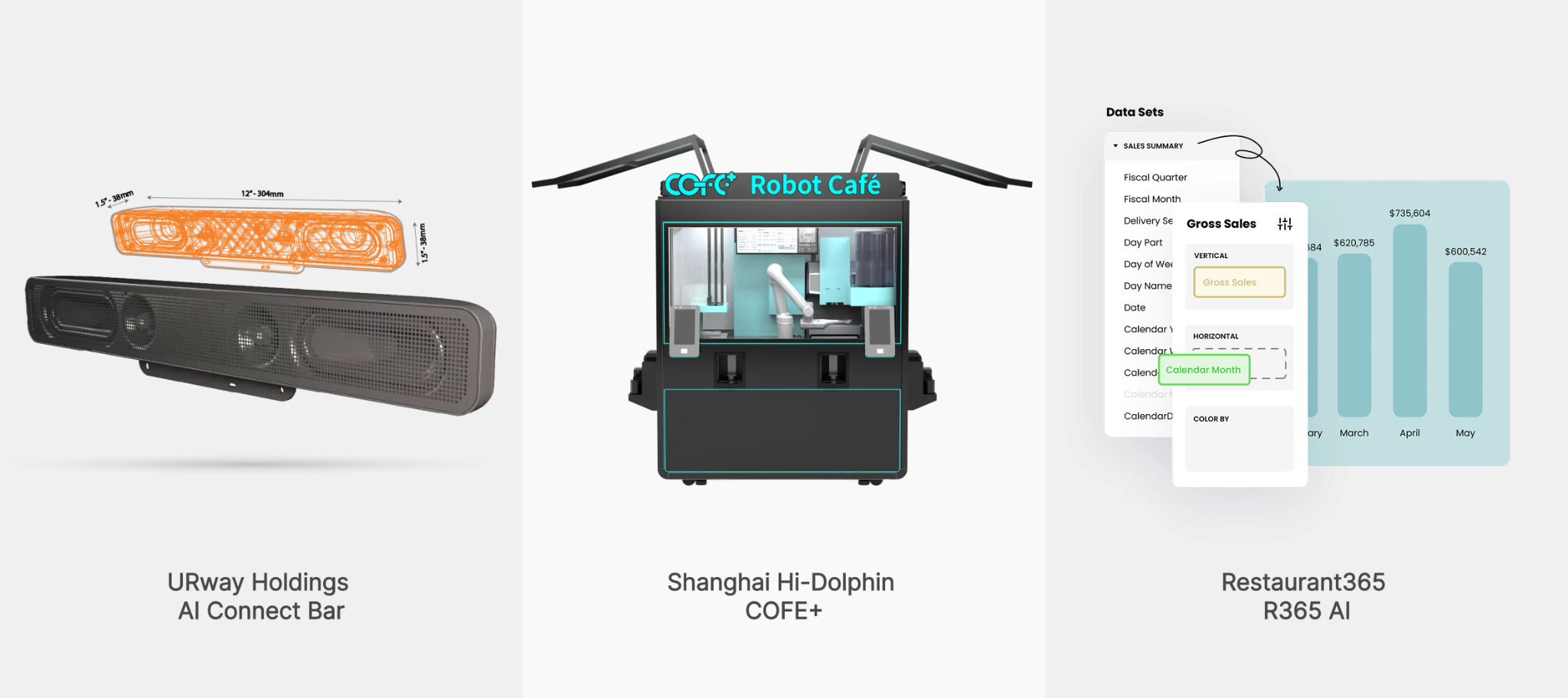
This year’s National Restaurant Association Show pointed to an industry entering a more disciplined phase of innovation. Between AI tools moving from pilot programs to practical deployment, equipment shedding cords and plumbing for more flexible service models, and a renewed focus on empowering staff to do what they do best, the show provided clear evidence that operators and suppliers are responding to industry challenges with creativity and purpose. The most important takeaway for business owners is that innovation is no longer about adopting the newest technology for its own sake. The strongest solutions on display delivered measurable business value by solving specific operational challenges while enhancing, not replacing, the human experience. Success increasingly depends on ecosystem design: thoughtfully integrating technologies, workflows, and customer experiences to improve efficiency, flexibility, and profitability.
As AI technology matures across scheduling, inventory, marketing, and guest engagement, and as sustainability initiatives become drivers of operational performance, the organizations best positioned for growth will be those that adopt innovation with intention, prioritizing customer value, employee experience, and long-term resilience over novelty. Loft is excited to see how these trends continue to evolve and to help shape what comes next.
Meet Sherry: a trusted strategist and process pro driving high-value innovation. With years of leading cross-functional teams and commitment to design principles, she's your secret weapon to business growth. Genuine and principled, she crafts impactful experiences, unveiling fresh business models and new value propositions informed by her broad corporate, consulting, and venture settings background. Her superpower lies in maintaining a panoramic perspective, recognizing new avenues for growth, and creating actionable roadmaps enabling our clients' market success.
Sherry fuels her Wisconsin adventures with family and friends, exploring lakes, tapping maple trees in spring, and enjoying every moment of Madison's summer.
And Sherry's next-level inspiration? Her unwavering belief that design will change the world for the better.

Previous
Next

Conferences
Innovation
Regulated Industry


.png)


